Need Help?
Your professional wedding gallery and the photos sitting on your guests’ phones are not two versions of the same thing.
A photographer builds a deliberate, polished record of the day. Your guests photograph the wedding from inside it: from their tables, beside old friends, and during conversations happening beyond the scheduled events. Put the two together, and you get a more complete view of what the celebration looked and felt like.
That does not mean asking friends and relatives to become an unpaid photography team. Guest photos work best when they are treated as an informal extra, not a replacement for professional coverage.
A professional photographer is responsible for dependable coverage. They plan around the timeline, prepare for changing light, organize portraits, anticipate important events, and turn thousands of frames into a consistent final gallery.
Guests contribute something less controlled but still valuable: proximity to their own people. One guest may notice two relatives meeting for the first time. Another may record the conversation at a table full of college friends. Someone else may photograph cocktail hour while the couple is away taking portraits.
Neither perspective makes the other unnecessary. Professional photos provide craft, consistency, and accountability. Guest photos add viewpoints that arise naturally from being part of the celebration.
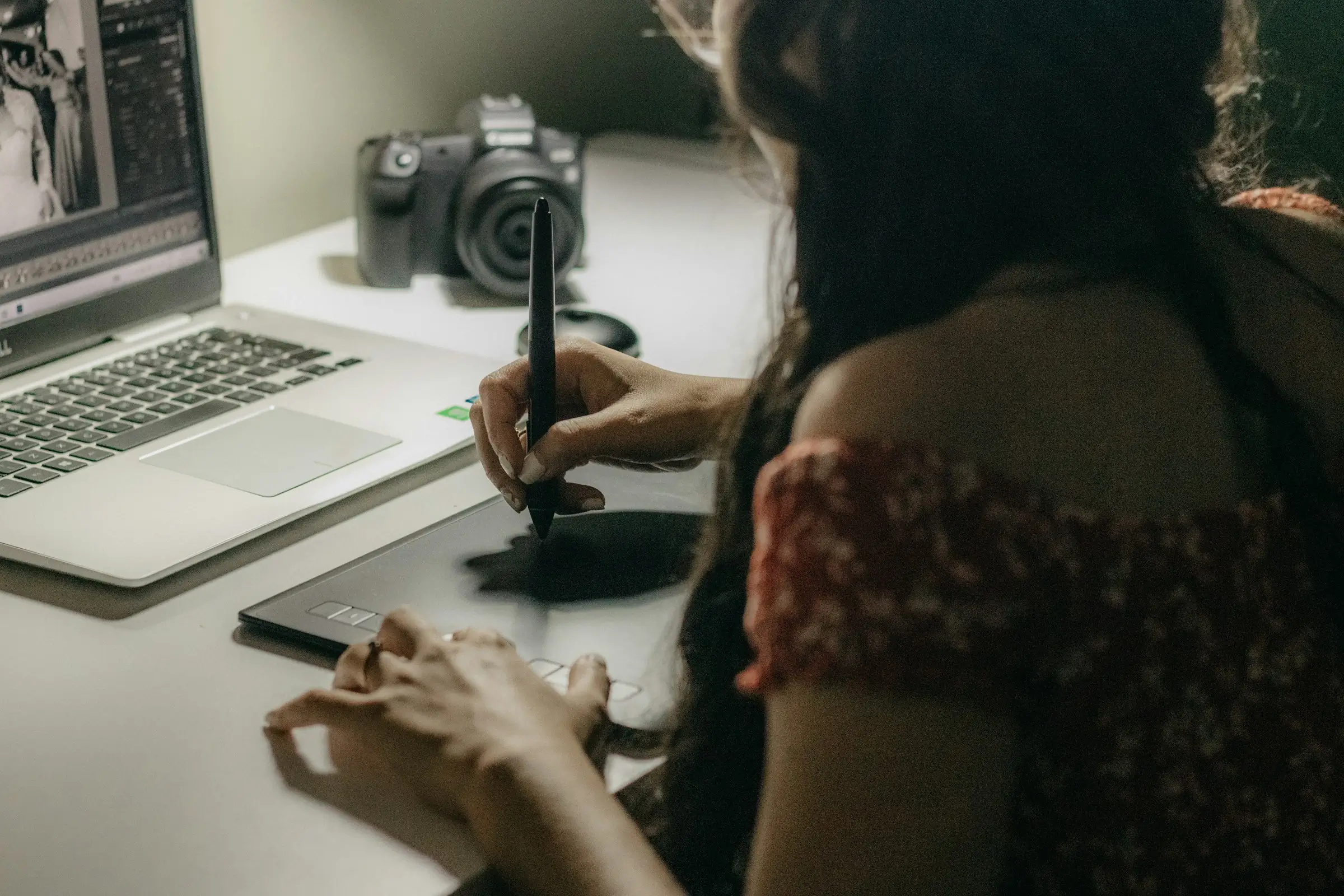
Before the wedding, a photographer may discuss the timeline, family combinations, locations, cultural traditions, and any people or details that are especially important to the couple. A focused shot list can help with priorities the photographer could not infer, but it should not become a minute-by-minute script. The Knot’s wedding photography checklist recommends planning important combinations and moments in advance.
This preparation matters because some photographs cannot be recreated later. The ceremony entrance, an exchange of vows, or a gathering of relatives who rarely share the same room deserves someone whose job is to be ready.
Weddings can move from a bright outdoor ceremony to a dim reception, with fast movement, mixed lighting, and little time to adjust. A professional brings equipment and experience for those conditions, then selects and edits the images into a cohesive gallery. Guest photos may include wonderful individual frames, but their resolution, lighting, and overall look will naturally vary.
A hired photographer has a documented responsibility to the couple. The contract should explain coverage hours, deliverables, usage rights, payment, cancellation, and delivery. Professional workflows may also include redundant equipment and file backups. Packages and practices vary, so couples should read their own agreement instead of making assumptions.
Guests are not expected to provide that level of service. Their pictures can add meaning, but the couple should not depend on them for an irreplaceable ceremony photo or formal portrait.
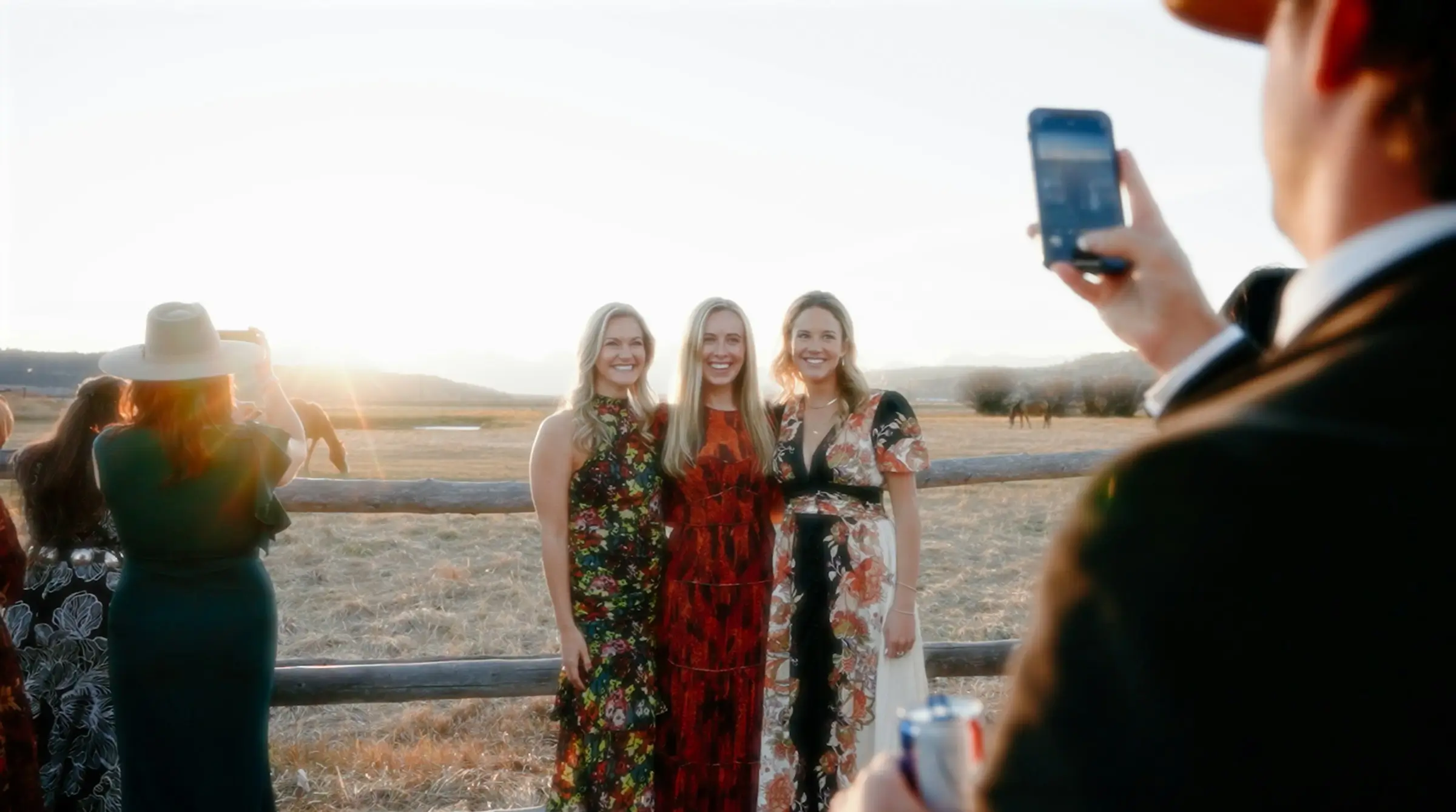
A photographer moves throughout the venue, but every guest has a different social vantage point. They sit with particular relatives, travel with certain friends, and recognize the significance of interactions that may look ordinary to someone outside the group. A quick picture of former roommates laughing at dinner might carry years of history. These are not necessarily album-cover images, but they can become some of the most personal records of the celebration.
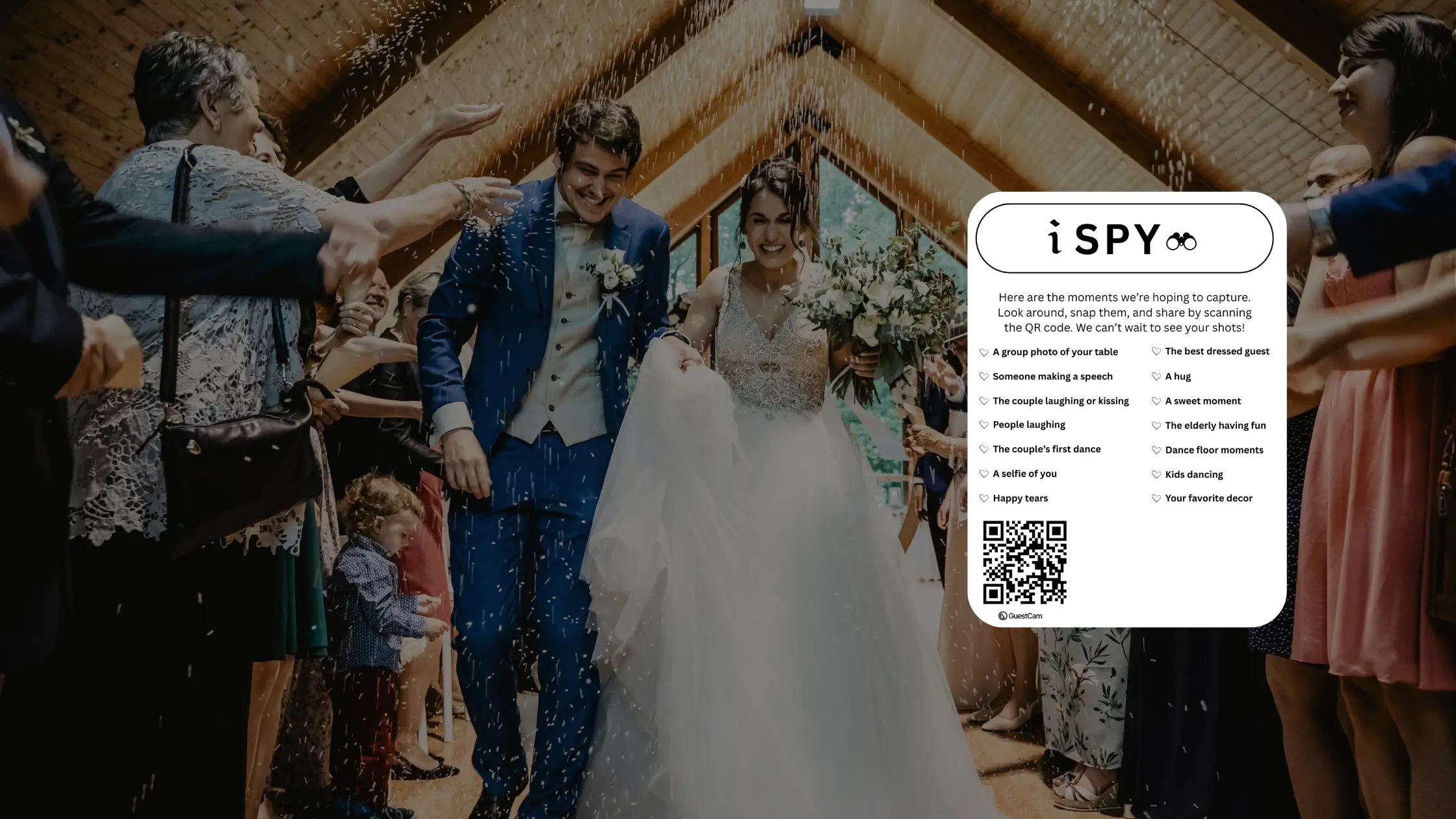
For couples who want to give guests a few optional ideas, GuestCam’s wedding photo scavenger hunt offers candid prompts and etiquette guidance. A prompt list is not necessary, however. Many of the best guest contributions happen because someone noticed a meaningful interaction on their own.
No wedding unfolds in only one place. While the couple and photographer are taking portraits, guests may be arriving at cocktail hour. During a speech, one camera may be trained on the speaker while people around the room react. Later, conversations continue at tables, in lounge areas, and just beyond the dance floor.
This does not mean the photographer failed to cover the wedding. It means several worthwhile interactions can happen simultaneously. Guests are distributed throughout the celebration, so their combined photos can reveal what was happening beyond the couple’s view.
Many photography packages focus on still images unless videography is booked separately. Guests may naturally record a short toast, dance, greeting, or a few seconds of laughter. The footage may be vertical or imperfectly lit, but it can preserve voices and movement that a still photograph cannot. Check your professional package, since some photographers work alongside videographers or offer hybrid coverage.
Tell your photographer or planner if you intend to invite guest photos, run a photo activity, or display uploads during the reception. They can flag situations where phones, flashes, or people moving around would cause problems. Also decide whether guests may post publicly. Uploading to a private gallery is different from posting on social media.
Couples do not have to choose between banning phones all day and allowing them everywhere. An unplugged ceremony followed by a photo-friendly cocktail hour and reception provides a practical middle ground. If you choose this approach, communicate it through the wedding website, program, sign, and a brief announcement. The Knot’s unplugged wedding guide includes wording options.
Guests should not leave their seats to get a better angle, step into aisles, direct people during important events, or ask anyone to recreate an emotional reaction. Flash should be avoided when it could distract from a ceremony, speech, or first dance. Anyone who does not want to be photographed should be left alone.
The goal is not to turn the reception into a content assignment. Guests should be able to take an occasional picture and then return their attention to the people around them.
A light request works better than making guests feel responsible for documenting the day. You could place this wording on your wedding website, reception sign, or table card:
If you take any photos or videos today, we would love to see the celebration from your perspective. Please enjoy the moment first, respect our unplugged ceremony, and share anything you would like through the private gallery.
This sets expectations without giving guests a long checklist or suggesting that the professional photographer needs their help.
The easiest time to decide how you will collect guest photos is before the wedding. Otherwise, pictures can end up divided among text threads, group chats, cloud folders, and social posts.
A private gallery for wedding guest photos gives everyone the same destination. With GuestCam, guests can scan a QR code or open a private link to upload photos and videos through their browser, without downloading an app or creating an account. The photographer remains responsible for professional coverage, while the gallery simply gives informal guest contributions somewhere organized to go.
Put the access information on the wedding website, a welcome card, or reception tables. If the ceremony is unplugged, avoid displaying a photo prompt there that sends a conflicting message.
Some guests will take photos and forget to share them before leaving. A single follow-up gives them another opportunity without making the request feel demanding:
"Thank you for celebrating with us. If you took any photos or videos, you can add them to our private wedding gallery here: [GALLERY LINK]. We would love to see the day from your perspective."
Send the reminder while the wedding is still fresh, then let participation remain voluntary.
Professional photographs should form the dependable foundation of your wedding archive. They preserve the planned events, portraits, details, and visual story with a level of consistency that casual phone photos are not expected to match.
Guest contributions add another layer. They show who sat together, what happened elsewhere, and how the celebration looked to the people invited into it. A technically imperfect photo can still hold a memory no one else happened to preserve.
You do not need to choose one perspective. Hire a photographer whose work and process you trust, give guests clear boundaries, and make it easy for them to share the photos and videos they naturally take. If you want those contributions organized in one place, explore GuestCam’s wedding photo-sharing gallery.

Regan Black is the founder of GuestCam, an event and wedding photo sharing platform trusted by thousands of couples and leading brands to collect and preserve more than 20 million memories. He writes about event technology, wedding planning trends, and how modern couples are reimagining the guest experience.

Scan the QR code or use the link below to step into the guest portal and see how easy it is for guests to join and upload.
.jpg)