Need Help?
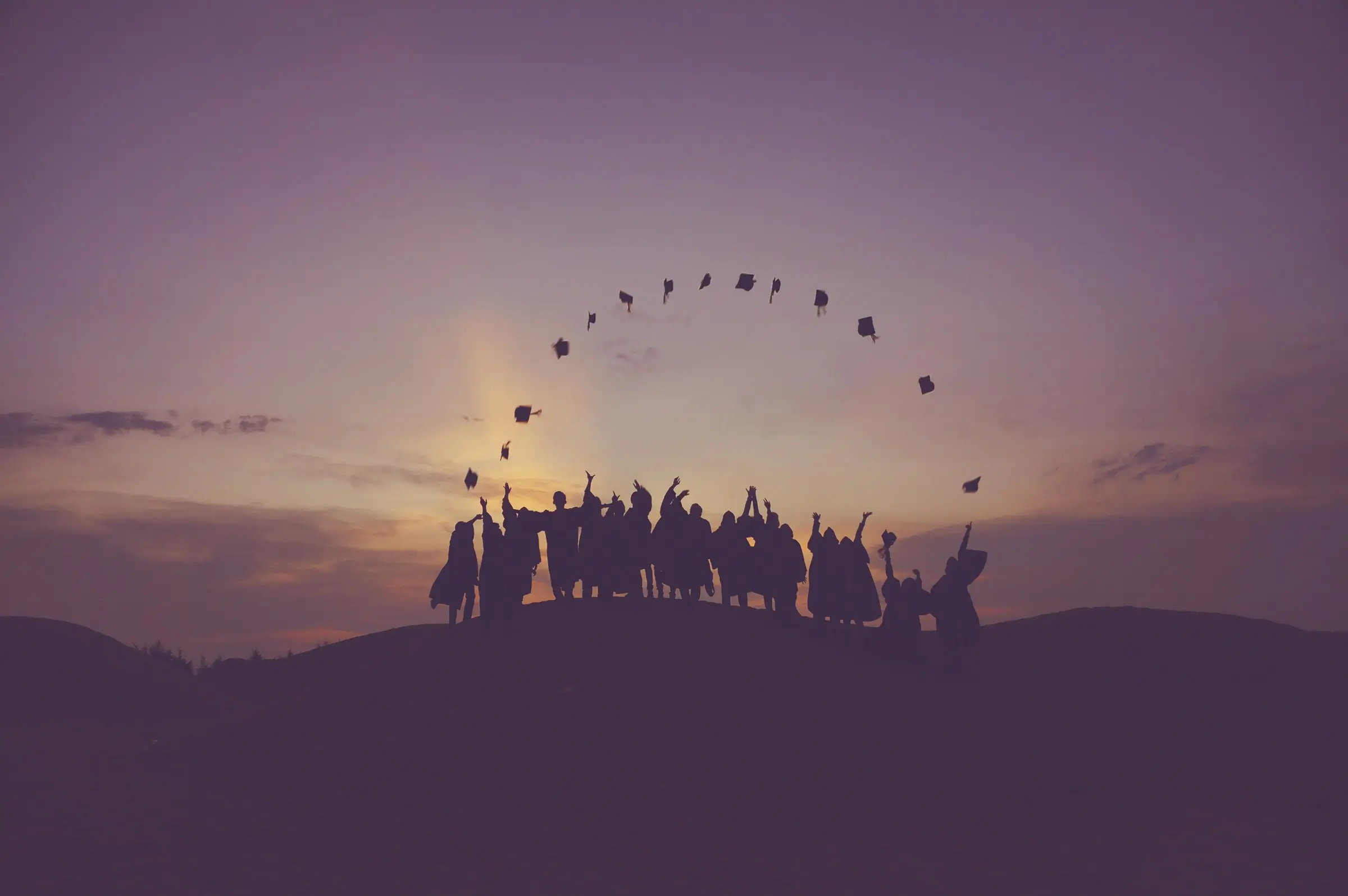
Graduation parties bring together people from different parts of a graduate’s life. Grandparents may arrive before classmates. Teachers might stop by briefly. Friends gather in one corner while relatives catch up somewhere else. No single person sees everything.
A short photo plan helps family and friends capture those different perspectives without turning the celebration into a photo shoot. The goal is not to document every minute. It is to preserve the people, reactions, details, and relationships the graduate will care about later.
Use this checklist for the ceremony, the party, or both. Choose the moments that fit your celebration, assign a few important photos to people you trust, and let everyone enjoy the rest of the day.
Before making a long shot list, ask the graduate what matters most to them. Their priorities may be different from the host’s. One graduate may want a complete extended-family photo, while another cares more about candid pictures with close friends.
A five-minute conversation can prevent the most meaningful photos from being missed.
Ask the graduate to complete these prompts:
Treat these as the priority list. Everything else in this checklist is optional.
Keep practical details in mind when choosing the photos. Take pictures with grandparents, out-of-town relatives, teachers, and guests who need to leave early before organizing less urgent combinations. If divorced parents, blended families, or strained relationships require separate groupings, plan them privately instead of working them out in front of everyone.
Asking everyone to “take lots of pictures” often produces dozens of similar images while quieter moments go unnoticed. Give two to four willing helpers a loose area of responsibility instead:
These roles should feel like helpful prompts, not work assignments. No one needs to hold a phone throughout the entire celebration.
Decide in advance where contributors should send their files. A shared gallery for party photos gives relatives and friends one destination, which is easier than reconstructing the day from separate texts and group conversations afterward.
Do not assume every school or venue permits the same equipment or behavior. Some institutions allow personal photos only from assigned seats. Others prohibit flash, tripods, selfie sticks, large camera lenses, or access to the ceremony floor.
Read the school’s commencement information before the event and pass the relevant instructions to anyone covering the ceremony. If an official photographer will capture the stage crossing, family members can concentrate on the graduate arriving, waiting for their name, celebrating afterward, and reuniting with relatives.
Even when personal photography is permitted, guests should avoid standing in aisles, blocking another family’s view, or distracting from the ceremony. Missing a phone photo is better than interfering with someone else’s graduation experience.
Regan Black is the founder of GuestCam, an event and wedding photo sharing platform trusted by thousands of couples and leading brands to collect and preserve more than 20 million memories. He writes about event technology, wedding planning trends, and how modern couples are reimagining the guest experience.

Scan the QR code or use the link below to step into the guest portal and see how easy it is for guests to join and upload.